What I cover in this post:
- My target audiences and how different demographics have been targeted
- Gender/Sexuality, ethnicity, age, intertextuality, region, socio-economic status
- Different forms of distribution (self-distribution, conglomerates vs indies)
- Retromania
- Disruption, convergence, digitisation and web2.0
- Merchandising
Creative use of Technology
For the creative use of technology in answering this question, I made a skype "job interview", where I am being asked different ways in which I could distribute a music video and some reasons why. The interviewer is being played by a family member of mine:
Job interview:
...
Script:
Interviewer: alright, please can you state your name and tell me what experience you have in music video distribution?
Applicant: Over the last year I have created and self-distributed a music video to a local artist indie electropop track, Fake.
I: Can you define indie?
A: An indie track is produced by an artist not signed by one of the 'Big 3" conglomerates of the music industry, Universal Music Group, Sony Music Group, Warner Music Group. So I was in charge of merchandising, publishing, and the artist recorded the song using her own microphone
I: what kind of merch did you create?
A: I made tshirt, the most basic, but also lunch boxes to target both a younger audience, but also parents, and a tie in with tic tacs with the artists logo on the box, to create a sense of synthesis between the music video, which involved tic tacs and the merchandise, create a brand image
I: Is it a normal occurrence for artists to record their own music?
A: well due to the convergence and digitisation of media, technology has become so accessible to normal people that anyone can make high quality content and self-distribute on the internet, essentially blurring the line between producer and consumer in this Web 2.0 age, as suggested by Henry Jenkins.
I: How would you say this has affected the music industry?
A: Well it's seriously disrupted the way in which it used to work, because fans and users have far more input to web content, and can interact directly and collaborate more easily with artist through social media
I: what online streaming sites would you use to distribute this track?
A: soundcloud, spotify, apple music, deezer
I: would you say that's a fair deal for the artist?
A: absolutely not, artist have complained about the lack of revenue they receive from online streaming platforms for years, with artists like Taylor Swift even removing their music for some time
I: How would you work around this issue?
A: well one way is merch, for example Metallica have their own beer line, but physical music is making a comeback, as suggested by Simon Reynolds in his book Retromania, and vinyl sales have been on the rise. I created a digipak, which is designed based on vinyls, and selling a limited number of signed digipaks, or releasing physical digipaks with exclusive content such as behind the scenes photos or bonus live recorded tracks could be successful in distributing the artist's music.
I: thank you for your time, we'll be getting back to you before the end of the week.
...
3A - How does your product engage with audiences?
MY TARGET AUDIENCE
Demographics
My target demographics can be broken down into these 6 categories:
Gender/sexuality
Ethnicity
Age
Region
Socio-economic status
...
Gender/Sexuality
The primary target audience is female, based off of the colouring choices - dark shades of pink and neon purples, and a range of pastels.
This is highly influenced by Halsey, Novaa and Chvrches aesthetics, who also have a primarily female target audience


However - Aem's primary target audience is does not necessarily adhere to the male/female gender binary, either in gender representation/identification of sexuality.
A queer target audience is also primary, as Aem herself identifies as a queer artist.
Therefor they were targeted in the music video/website/digipak.
Uses and Gratifications theory suggests that an audience will seek out the media they with to consume based on certain criteria, 2 of which being identification or aspiration - if a queer audience is able to identify with Aem, they will likely consume more of her media.
...
Ethnicity
bell hooks explored how colonialist ideas are still omnipresent in our representation of ethnicity, and that Caucasian representation was considered the normative representation.
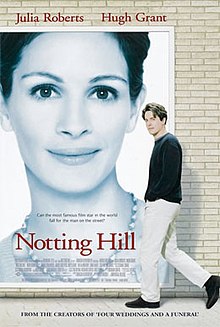
This can be seen in film, with subsidiary of Universal, Working Title, having almost exclusively Caucasian protagonists - as those films have a high budget there is a risk for the studio, and they most produce films they know will be successful, so they make the protagonists more 'identifiable' characters., suhcas those played by Hugh Grant in Notting Hill, About a Boy, Bridget Jones etc.
Smaller, Indie production companies like Warp, on the other hand, have less financial risk as they receive grants to make culturally important films, and have a wider range of ethnicities represented in their productions, such as Huang Lu, in She, a Chinese.

Aem, being Portuguese, is not immediately identifiable to a more typical Caucasian audience, having a more obscure accent. This adopts bell hook's post-colonialist view, and a more diverse representation than usual.
...
Age and Intertextuality
Uses and Gratifications theory would suggest that a 14-24 year old target audience would identify with Aem or aspire to be like her.
The secondary target audience could be tween, although the final cut of the music video may be too edgy, so the secondary target audience could be a bit older (25-30).
Stuart Hall's theory of Readings would suggest that an older target audience would pick up on the preferred reading, with the use of an extended croquet scene based off of the cult film Heathers. Being an older film, and also an obscure cult film this appeals to an older target audience as they will understand the intertextuality.

The younger target audience (tween) may have some contested reading, as Heathers has lately been turned into a stage musical which ahas gained a lot of attention from young viewers - an episode of popular American teenage tv show Riverdale had a Heathers: The Musical episode in the latest season.


I also used social media to target these audiences, specifically Instagram, on which I posed as AEM and posted BTS photos, selfies, candid photos of AEM making music and teaser clips.
...
Region
The uk north/South binary divide is highly relevant to the target audience.
The North is typically represented as being more working class than the South, and more community oriented, whereas eh South is typically more upper class and individualistic.
An example of this is The Smiths (from Manchester) vs. Ed Sheeran, who I compared in this post.


In the music video I aim to target both these audiences, by using contrasting locations to explore the idea of what's real vs. what's fake - the old mining district in Luxembourg, featuring brick walls and old railways, vs. the new electric tram, with neon multicoloured doors and modern lighting.


I also want to target a Luxembourgish audience specifically, with Aem being a member of the quite tightly-knit Luxembourgish indie music scene, knowing local artists CHAiLD, the band TUYS and 2sticks, The Choppy Bumpy Peaches and Pleasing.
The use of well-known, central Luxembourgish settings helps the Luxembourgish target audience identify with the music video.
...
Socio-economic Status
Being an indie music video and having a low budget will help target a C1C2DE target audience, having to use basic props and no cgi. The mining district setting may also help through identification.
However, the plan for an extended croquet scene would appeal more to an ABC1 target audience, and may exclude the C2DE audience.
My target demographics can be broken down into these 6 categories:
Gender/sexuality
Ethnicity
Age
Region
Socio-economic status
...
Gender/Sexuality
The primary target audience is female, based off of the colouring choices - dark shades of pink and neon purples, and a range of pastels.
This is highly influenced by Halsey, Novaa and Chvrches aesthetics, who also have a primarily female target audience


However - Aem's primary target audience is does not necessarily adhere to the male/female gender binary, either in gender representation/identification of sexuality.
A queer target audience is also primary, as Aem herself identifies as a queer artist.
Therefor they were targeted in the music video/website/digipak.
Uses and Gratifications theory suggests that an audience will seek out the media they with to consume based on certain criteria, 2 of which being identification or aspiration - if a queer audience is able to identify with Aem, they will likely consume more of her media.
...
Ethnicity
bell hooks explored how colonialist ideas are still omnipresent in our representation of ethnicity, and that Caucasian representation was considered the normative representation.
This can be seen in film, with subsidiary of Universal, Working Title, having almost exclusively Caucasian protagonists - as those films have a high budget there is a risk for the studio, and they most produce films they know will be successful, so they make the protagonists more 'identifiable' characters., suhcas those played by Hugh Grant in Notting Hill, About a Boy, Bridget Jones etc.
Smaller, Indie production companies like Warp, on the other hand, have less financial risk as they receive grants to make culturally important films, and have a wider range of ethnicities represented in their productions, such as Huang Lu, in She, a Chinese.
Aem, being Portuguese, is not immediately identifiable to a more typical Caucasian audience, having a more obscure accent. This adopts bell hook's post-colonialist view, and a more diverse representation than usual.
...
Age and Intertextuality
Uses and Gratifications theory would suggest that a 14-24 year old target audience would identify with Aem or aspire to be like her.
The secondary target audience could be tween, although the final cut of the music video may be too edgy, so the secondary target audience could be a bit older (25-30).
Stuart Hall's theory of Readings would suggest that an older target audience would pick up on the preferred reading, with the use of an extended croquet scene based off of the cult film Heathers. Being an older film, and also an obscure cult film this appeals to an older target audience as they will understand the intertextuality.
The younger target audience (tween) may have some contested reading, as Heathers has lately been turned into a stage musical which ahas gained a lot of attention from young viewers - an episode of popular American teenage tv show Riverdale had a Heathers: The Musical episode in the latest season.
I also used social media to target these audiences, specifically Instagram, on which I posed as AEM and posted BTS photos, selfies, candid photos of AEM making music and teaser clips.
...
Region
The uk north/South binary divide is highly relevant to the target audience.
The North is typically represented as being more working class than the South, and more community oriented, whereas eh South is typically more upper class and individualistic.
An example of this is The Smiths (from Manchester) vs. Ed Sheeran, who I compared in this post.
In the music video I aim to target both these audiences, by using contrasting locations to explore the idea of what's real vs. what's fake - the old mining district in Luxembourg, featuring brick walls and old railways, vs. the new electric tram, with neon multicoloured doors and modern lighting.


I also want to target a Luxembourgish audience specifically, with Aem being a member of the quite tightly-knit Luxembourgish indie music scene, knowing local artists CHAiLD, the band TUYS and 2sticks, The Choppy Bumpy Peaches and Pleasing.
The use of well-known, central Luxembourgish settings helps the Luxembourgish target audience identify with the music video.
...
Socio-economic Status
Being an indie music video and having a low budget will help target a C1C2DE target audience, having to use basic props and no cgi. The mining district setting may also help through identification.
However, the plan for an extended croquet scene would appeal more to an ABC1 target audience, and may exclude the C2DE audience.
...


